My Little Society, My Orchestra Experience Part 2. - Roles and Responsibilities in the Orchestra
. A story about the orchestra and just my experiences and things that I thought were helpful in society Part 2.

. A story about the orchestra and just my experiences and things that I thought were helpful in society Part 2.

In my previous post, I wrote about why an orchestra is like a microcosm of society. When I first started my professional life, I felt a sense of kinship with the orchestra environment, and I realized there were actually many similarities between the two.
Previous Post 👉 A Microcosm of Society Through My Eyes: My Orchestral Experience, Part 1.
In this post, I’d like to summarize the roles I held while participating in my university orchestra and the thoughts those roles inspired, discuss how those experiences have helped me in the wider world, and share what kind of person I aspire to become as a member of society.
As a violinist🎻, I played in various roles. These experiences are closely tied to my current professional life.
When I joined my first company, I was told during my probationary evaluation that I had “good communication skills,” and even now, the most common feedback I receive in peer evaluations is that “communicating with me is effortless.”
It’s true that there have been moments when I’ve worked hard to help the group achieve our common goals. However, I’ve never really taken the time to pinpoint exactly which aspects of my orchestra experience have helped me in my professional life. So, I’ll write down what I learned in each role I’ve held and summarize how I’ve applied—or plan to apply—those lessons at work.

I joined the orchestra as soon as I started school. Back then, I was a complete beginner on the violin.
In sixth grade, I pestered my mom to let me take violin lessons, so I took lessons for exactly one year. Then, fueled by a beginner’s enthusiasm (?), I joined the middle school orchestra. Then, about four years after graduating from middle school, I picked up the instrument again.
Contrary to my expectation that club life would be fun, the reality was harsher than I’d imagined. In particular, the piece we were playing at the time was way too difficult for me back then. It was so hard that I even regretted joining, and I considered quitting the club several times.
But I really wanted to be in the orchestra. So, first, I needed to quickly assess my current situation.
I made a list of things I needed to improve.
After implementing action items based on areas needing improvement, during the summer MC (intensive training camp)
, I finally heard people say, “You’ve improved a lot in a short time.” So, I spent my first year in the orchestra identifying my problems, asking questions quickly, and taking action.

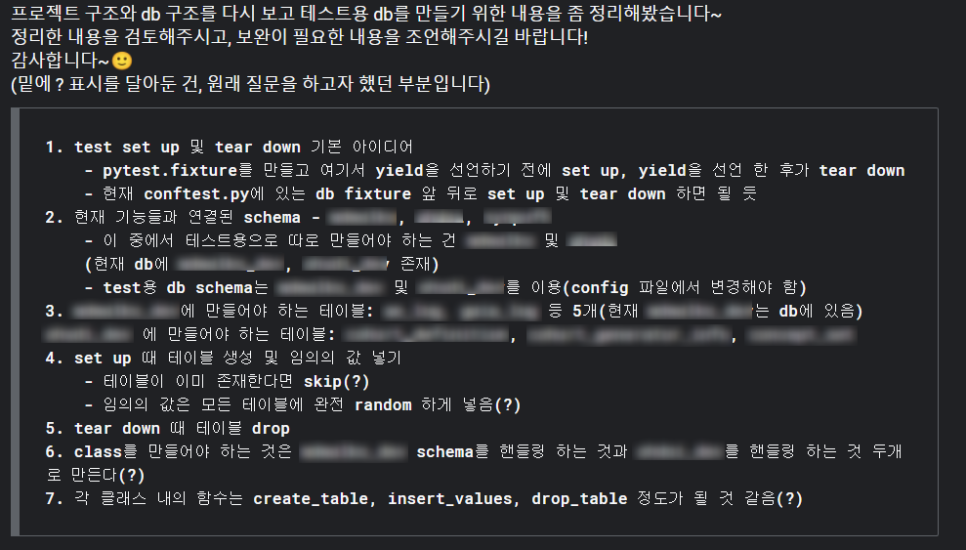
I remembered when I was a new hire: having only dabbled a bit in Django and MySQL, I was suddenly assigned to a project built on Flask, PostgreSQL, and SQLAlchemy.
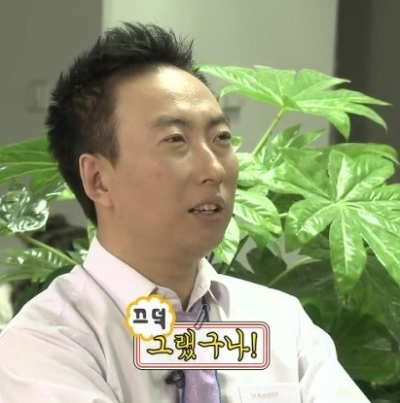
The code structure, which was completely new to me, felt like a huge wall. So, I decided that while personal study was a given, I would focus on mastering 질문 itself.
Whenever I encountered something I didn’t know, I’d compile a list of questions, number them, and send a barrage of messages to my mentor.

I received feedback that my numbered questions actually made it easier for them to answer. Of course, it was also more convenient for me as the one asking. This is because structuring my questions made their purpose and intent clear.
Additionally, to ensure my messages accurately conveyed the context of my thoughts, I would first write them out in a notepad and “edit” them before sending. Since the COVID-19 situation was severe at the time and I was working entirely from home, I chose this method to minimize misunderstandings that could arise in a setting lacking nonverbal cues.
As a result, I received praise from many for my “excellent communication skills,” earned high scores in my probationary evaluation, and was able to transition to a full-time position.
The term “class representative” referred to the representative of my class. I suddenly became class president when I entered my sophomore year because the previous class president wanted to step down. I remember being momentarily taken aback when the senior who was the club president at the time said he had something to discuss and made a sudden proposal.
However, I quickly agreed to take on the role. Since I’d always enjoyed taking the lead from a young age, I didn’t hesitate. I accepted the offer with the resolve to “lead my peers well!”. But as class president during my sophomore year, I not only had to look after my peers but also fulfill the duties of 신입생 챙기기. My suddenly added responsibilities
I really wanted to turn things around from the club atmosphere I’d experienced as a freshman. Most of my classmates had quit because the club’s atmosphere was a bit too heavy. I managed to stick it out somehow, but I didn’t want to pass that kind of atmosphere on to the underclassmen who would be joining the club in the future. I resolved to put more effort into building rapport.
Together with the senior who served as treasurer, we organized various events: a spring picnic, a photo contest, a Children’s Day gift raffle, a Secret Santa game during the MC period, and planning a retreat. If photos were needed, I took them; if designs were needed, I created them; if videos were needed, I produced them. How media studies students are put to work in clubs
Fortunately, perhaps my sincerity
resonated, as more underclassmen stayed on, and I remember that preparing for the concert became much more enjoyable.

It’s been quite helpful in my role of shaping company culture. I’m currently active on the Teamwork Improvement Task Force!
At work, I’m trying out various initiatives to improve teamwork. I’m a member of the “Organizational Culture and Teamwork Innovation Dinner Task Force,” haha. From brainstorming sessions to securing venues, and even producing media content when needed...!
Of course, we adjust the content we offer each quarter based on feedback from team members. To give a very simple example, extroverted team members enjoy all sorts of activities, but introverted team members just want to go home. In cases like this, we also provide activities that can be wrapped up quickly and efficiently. There’s even a team member who was perfectly satisfied just going to Outback Steakhouse for a tomahawk steak.
During my senior year, a junior who had just been appointed concertmaster asked me, “Sis, please be our second violin section leader!” While my playing had definitely improved since my freshman year, becoming the section leader was quite a burden—especially in terms of skill.
However, I felt I should try leading the section at least once. In fact, I had even been nominated as a candidate for club president, but I couldn’t take on the role because it coincided with my plans to take a leave of absence—a decision I still regretted a little—so I didn’t want to turn down the section leader offer again, especially not just because it felt like a burden. Instead, I decided to use this opportunity to “improve my skills.”
After becoming section leader, I tried to define for myself what my responsibilities were and put them into practice. Here’s what I came up with:
파트원 라포 형성: Make an effort to listen to team members’ personal concerns through lunch gatherings (I’ll cover the bill!) and coffee chats파트 연습 관리: I had to lead the section’s practice sessions—including rhythm drills, pitch exercises, and general rehearsals of the pieces
1st 바이올린 파트와의 협연: While the string section leader leads the basic practice, details like bow checks and slur placement must be decided together based on the flow of the piece.지휘자와의 컨택: We need to listen to the conductor’s explanation of the piece so we can practice according to their interpretation.
개인 연습 시간 지정: Previously, I only practiced on my own when I felt like it, but now I make sure to practice during the designated times

I believed that attitude '타인의 입장을 생각해보는‘ was just as important as following through on action items.
Naturally, there were many incidents, both big and small, within the club. Whenever something happened, countless rumors would circulate. At such times, I thought the following—and I still feel the same way today:
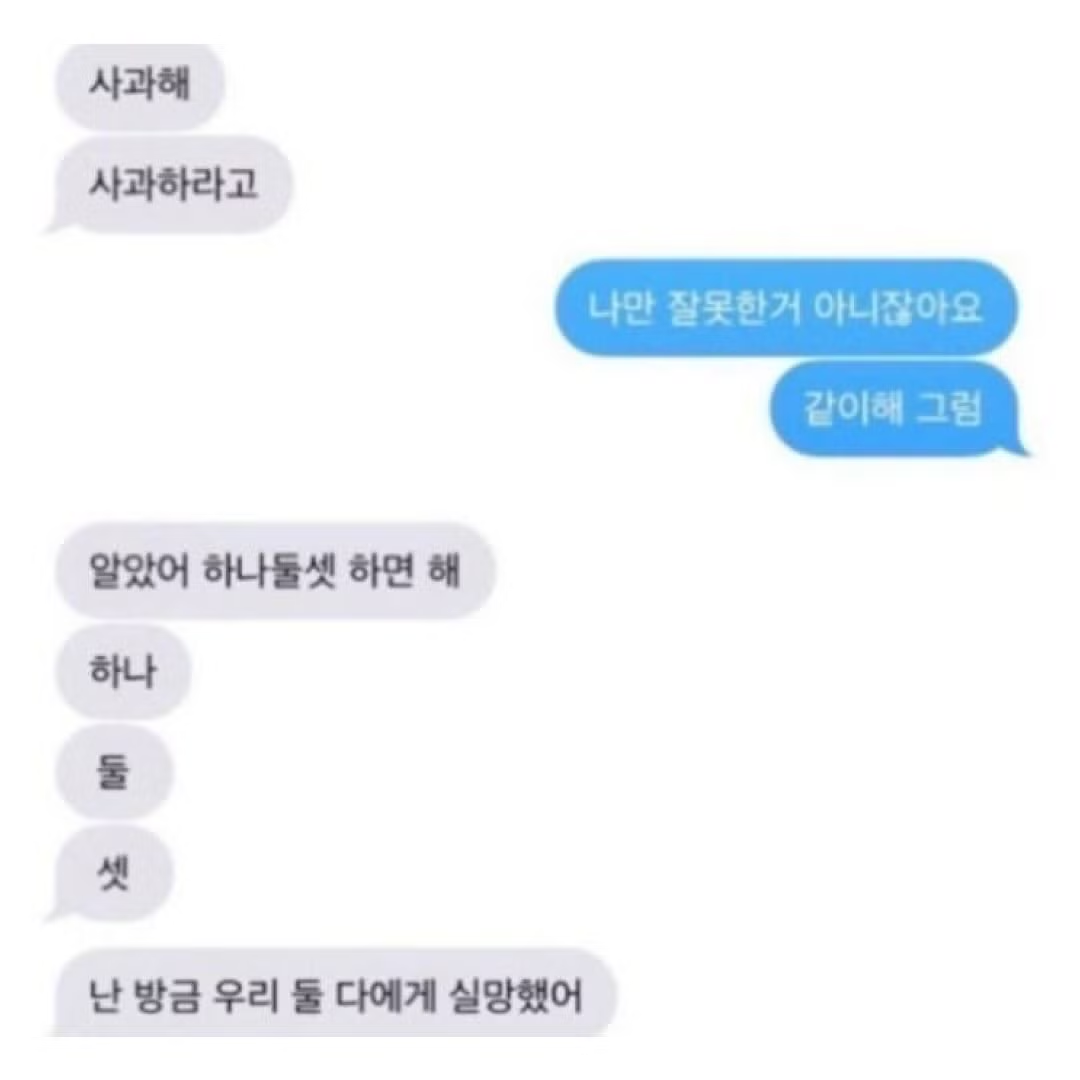
There are as many perspectives on any given incident as there are people—70 people, 70 perspectives (or perhaps even more). There are no absolute allies, nor are there absolute enemies. It’s essential to recognize that everyone’s thoughts are different.
It was only through this realization that I finally came to understand others’ boundaries. There was a time when I thought “my opinion” was the definitive answer, but when I actually interacted with people and faced real-life situations, I realized I wasn’t always right. Other people’s opinions were sometimes more efficient or justified. Understanding differences was also necessary at times to make quick decisions.

When it came to communicating with my team members, my top priority was communication itself. I approached conversations with the guiding principle: “Don’t speak from a leader’s perspective; instead, try to understand my team members’ thoughts first before acting.”
As I mentioned in Part 1, this organization did not grant absolute authority to any single person. A leader is not an authority figure, but does have the authority to make decisions. If I were to exercise that authority solely based on my own judgment, it would amount to an improper abuse of power under the guise of “authority.” I felt that doing so would create strict standards within the organization, causing the atmosphere to become heavy again.
Even when I served as team leader, I acted because I disliked a heavy atmosphere—acting with that kind of authority didn’t suit me, nor did I particularly want it. I simply intended to fulfill the role of a leader well.
It’s clear that the thoughts I had during that time have had a significant influence on my current communication style. No matter what position I’m in, I find myself repeatedly saying things like “This is what I think, but I’m curious about your thoughts,” or “So that’s how you see it. Then how about we try it this way?” (This is why people tend to see me as an F… but surprisingly, I’m actually a T.) This style of communication significantly bridged differences in perspective, boosting camaraderie and trust among team members, which in turn helped increase participation in practice sessions.

I’m constantly thinking about things to consider if I were to become a leader. I’m also making a consistent effort to communicate “well.”
Although I haven’t officially taken on a leadership role at work yet, if such an opportunity were to arise, I would give it far more thought
than I did in my previous experiences. More than anything else, I felt I was significantly lacking in how to visualize the process of setting and achieving performance metrics. I think I need to study leadership and management in a practical, on-the-job context.
Even if I’m not in a leadership role, I still pay close attention to how I communicate with others and people from other departments. A conversational style that involves exploring others’ thoughts, sharing my own, and working toward a common understanding. While it involves understanding emotions, I still believe this approach is incredibly helpful for assessing the situation around me and finding better solutions. From this perspective, my fundamental approach will remain the same as it was during my time as a team leader.
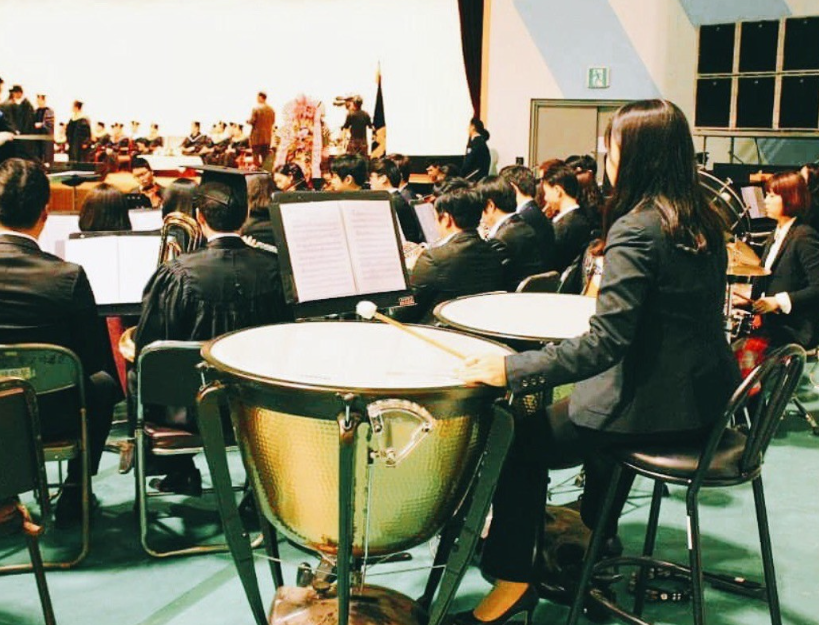
Once I became a senior, I could only be marginally involved in club activities. However, since I found it hard to give up club activities altogether, I decided to switch to the timpani as an alternative.
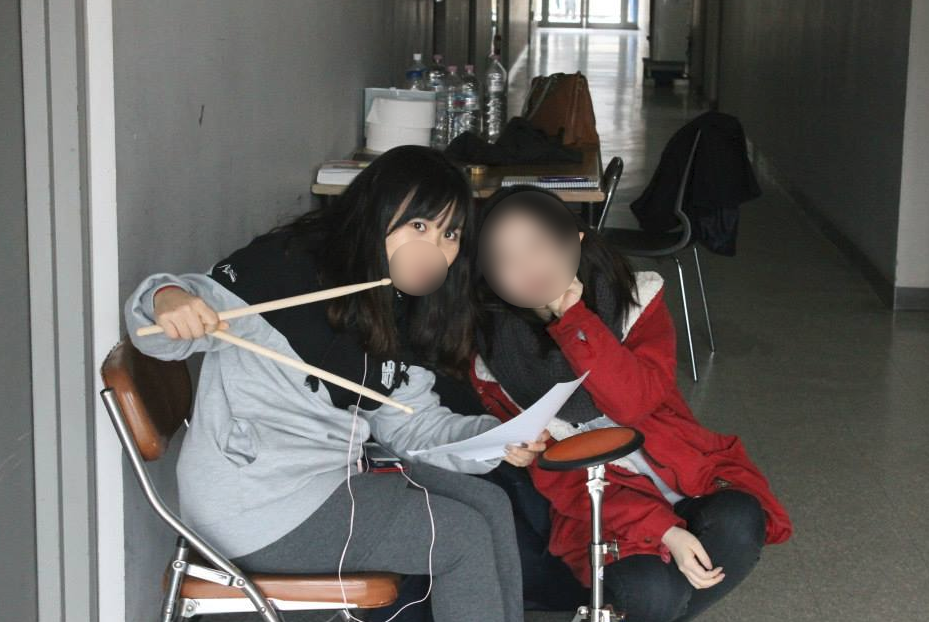
I had absolutely no experience with the timpani. But since it’s a percussion instrument, it goes without saying that I had to keep a steady beat. Even though I considered myself a “rhythm king,” I didn’t know any stroke techniques, so I had to start from scratch.
So I bought a drum pad and started practicing. The initial excitement was short-lived—practicing with a drum pad was really… no fun at all. But since I wouldn’t be able to play the timpani if I didn’t practice, I just kept at it consistently. There was no reason to expect to be good right from the start.

A junior who played drums at the time helped me a lot. He gave me one-on-one coaching on how to use my wrist snap effectively. He advised me to relax my wrists and to stretch regularly to loosen them up. He also told me that if it got too boring, I should pick out music with a fast BPM to listen to while I played.
As I kept practicing according to his advice, I was eventually able to break down even the strokes that had been difficult at first into four-beat patterns, even at a BPM of 120.

If you’re starting something new, you ultimately have to approach it with a beginner’s mindset.
Finding yourself in a new environment means you’re standing at a new starting line. As a result, your past experience might not be helpful. You might even have to go back to square one with the mindset of a rookie.
In times like these, you just need to let go of any pride in your seniority and approach the situation with the mindset that your experience is expanding. Since your past experience isn’t much help anyway and you have to start over, returning to your original mindset can, paradoxically, be the faster route.
And you can seek help from people you know well through coaching or advice. Continuously networking with experts in other fields has also been a great way to broaden my horizons, and this is still
an ongoing process. (That’s why I meet so many people!)
I was active in the school orchestra for six years, and even after graduation, I’ve kept in touch as much as possible, so this post ended up being longer than I expected... I wanted to express just how much I gained from this activity, into which I poured all my passion in my 20s. Even though it was a long time ago, I’ve thought since the early days of my career that those experiences helped me in my professional life, so I decided to write about them, even if belatedly.
The reason I still participate in the orchestra from time to time is the happiness that comes from creating “harmony” through interaction with others, as well as the sense of accomplishment and self-efficacy I gain from a successful concert. It also serves as an opportunity to reflect on whether each individual at my company—myself included—is working in a way that fosters a sense of accomplishment and self-efficacy.
Furthermore, the most important thing I learned while playing in the orchestra was the need to carry on a conversation by balancing 타인의 상황을 이해 and 타인이 이해하기 쉬운 방향. Even if it’s something I want to say, if I convey it in a way that others find difficult to understand, it becomes mere transmission rather than true communication.
I had to learn to understand what others were saying well and to appropriately incorporate the parts I found valuable into my own thinking. If I didn’t fully understand what someone was saying, I would ask the right questions to get to the heart of the matter. And if the essence of what they were saying aligned with the direction I was heading, I tried to adopt an attitude of 수용—being open to accepting it. This was an activity through which I personally experienced that communication is a process of consistently interacting while helping others understand me and helping me understand them. I think I’ve applied that experience to my behavior in the workplace as well.
Finally, I want to continue expanding my world. Even as I write this, I find myself constantly thinking about what kind of developer—or what kind of member of society—I need to become. It feels like I’ve been asked a profound question about life. I’ll set aside some time later, perhaps during my year-end retrospective, to write down the answer to this question...!
+I dedicate this post to my past self—the one who used to post all sorts of jokes and musings on Facebook and stored 100,000 photos on an external hard drive. Thanks, past self. Thanks to you, I was able to write this!