내가 경험한 작은 사회, 나의 오케스트라 활동기 Part 1. - 오케스트라의 조직 구조
오케스트라에 대한 이야기와 그냥 내 경험담, 그리고 사회에서 조금이라도 도움이 되었다 생각했던 것들 Part 1.
들어가는 글 💁♀️
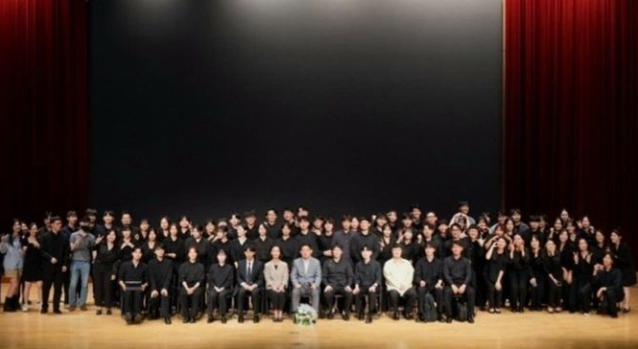
얼마 전, 오케스트라 무대에 올라 공연을 마쳤다. 필자가 대학 시절 내내 몸을 담았던 동아리에서 졸업생 신분으로 참여한 공연이었다. 연습을 할 때마다 옛 기억이 나고 연주회를 해낸 성취감에 나름 힐링한 추억이 추가되었다.
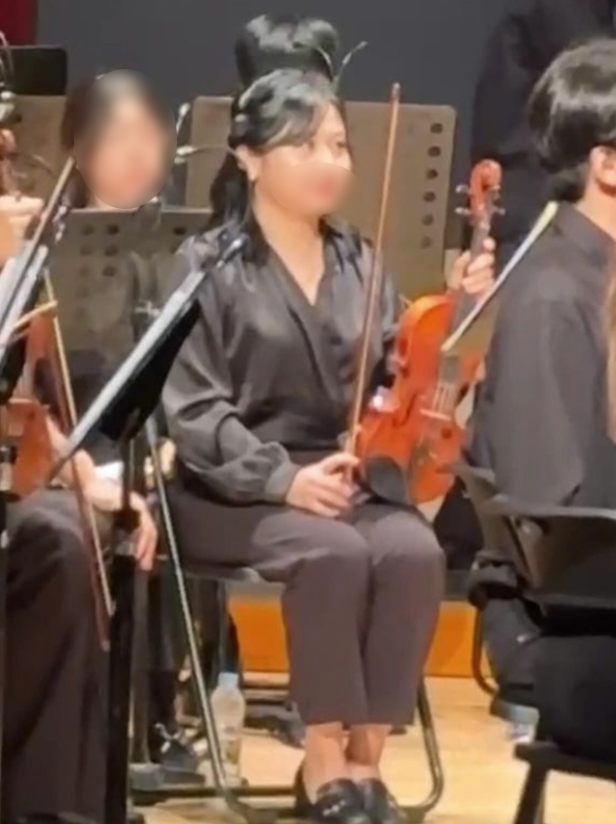
오케스트라에서의 경험은 꽤 소중했다. 단순히 악기만 했던 것때문은 아니다. 구성원으로서 공동의 목표를 성취하기 위해 고심하고 실행했던 순간들이 곧 현재 사회 생활을 하는 나를 만들어내는 계기가 되었기 때문이다. 그 시절의 기억을 더듬어서라도 경험 정리를 꼭 하고 싶었다. 내용이 워낙 많아서 part 1, 2로 나눈 시리즈 물로 작성하겠다.
이번 글에서는 '오케스트라'라는 공동체의 특성과 기업의 조직과 어떤 부분이 비슷한지 작성해보고자 한다.
'오케스트라'라는 공동체, 꽤나 회사 같다..! 🏢
사회 나와서 생각해보니, 오케스트라는 정말로 기업 내 조직의 형태랑 굉장히 비슷하다는 생각이 들었다. 어떠한 목표를 가진 것도, 그 목표를 이루기 위해 많은 파트가 협업(협주)하는 것도 꽤나 비슷하다.
오케스트라라는 조직의 특성과, 기업과 닮았다고 느껴지는 포인트들을 정리해보자!
오케스트라는 수직적이면서 수평적이다.
기존의 오케스트라에서 가장 중요한 포지션을 가진 사람은 아무래도 지휘자다. 지휘자는 곡을 해석하고 그에 따라 파트가 움직인다. 지휘자의 권위가 가장 크기 때문에 일반적으로 오케스트라는 '수직적 조직'으로 분류된다.
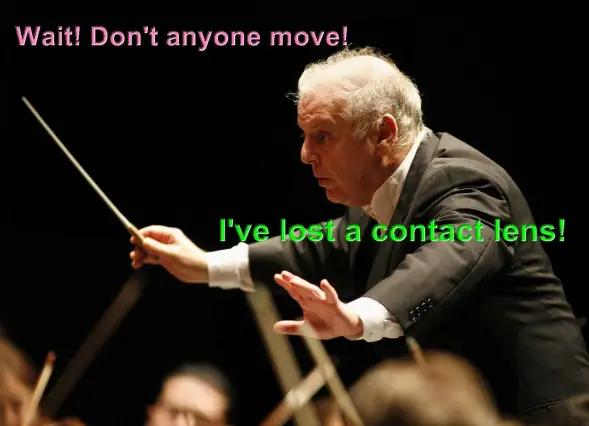
하지만 요즘은 꼭 지휘자의 권위가 두드러지지도 않는 행태를 띄는 것 같다. 하물며 손열음을 필두로 이뤄진 '고잉 홈 프로젝트' 집단에는 지휘자 조차 없다.
손열음 연주회에선 지휘자가 없는 게 신기하다가도 그들이 하는 연주에는 흠 잡을 것이 하나 없었다. 각 분야(여기서 분야라 함은 바이올린, 플룻 등의 악기)에서 내노라하는 장인들이 얼마나 많은 토론을 통해 곡이 완성되었을까 싶었다. 적어도 악기 연주하는 관점에서는 굉장히 수평적인 형태를 띄기도 한다.
Drucker가 지적했듯이, 오케스트라는 (계층의 단순화로 인해) 외형상으로는 분명
수평적 조직이다. 그러나 오케스트라는 결코 민주적이거나 자율적 조직이 아니다. 오
히려 두 개의 상반된(역설적) 구조(행태)가 -- 즉 집권과 분권— 공존하는 이중구조 조
직이다.
- 예술과 조직개발: 협연조직을 중심으로(2019), 김호섭
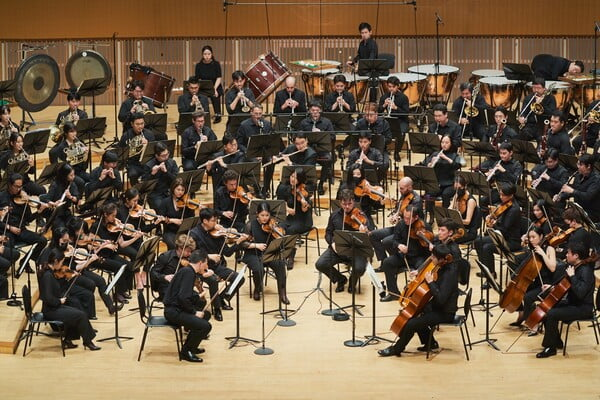
이러한 모습마저 어느 정도는 회사의 모습과 일맥상통한다. 각 회사마다도 문화와 구조가 다르고 이에 따라 수직적이거나 수평적일 수 있다.
학교 오케스트라는 대학교 동아리 내지 아마추어 오케스트라로써 프로 오케스트라와는 약간은 다른 방식으로 운영이 되고 있었다. 어느 누가 권위를 가졌다기보다는 각자의 R&R에 맞춰서(심지어 지휘자까지도) 각자가 맡은 바를 잘 수행해냈다. 수평과 수직이 공존하는 오케스트라 중에서도 수평적인 면모가 좀 더 두드러졌었다.
오케스트라는 하이브리드 조직이다.
신기하게도 오케스트라는 기능 조직과 목적 조직이 섞여 있는 요즘의 IT 기업 모습과 꽤 비슷하다. 비슷하다고 느낀 이유는 다음과 같다.
지휘자는 연주곡(프로젝트)를 진행해 나아가는 사람이다.
- 곡을 해석한대로 우리에게 연습 방향을 제안해주는 역할이었다. 그게 곧 연주회의 뱡항성이 된다.
- 개념상으론 Project manager와 비슷한 위치에 있는 역할이라고 생각했다. 일을 주고 매니징을 하는 입장이었을 거라 생각하고 기능 조직보단 목적조직을 이끄는 있는 역할이라 볼 수 있다.
악기도 파트가 나뉘어져 있다.
현악기 > 바이올린 > 1st 바이올린 / 2nd 바이올린 / 3rd 바이올린으로 대분류~소분류의 파트로도 나뉜다. 그리고 다른 파트와의 협주가 일어난다.- 현재 내가 백엔드 파트의 일원으로, 프론트엔드 엔지니어, 데이터 엔지니어, 기획자 등 타 파트와의 협업하는 것과 형태가 동일하다. 기능 조직이 존재하고 조직 간의 협업이 필요하다.
파트별로 리더와 팔로워가 있다.
- 관악장/현악장이 존재하고 각 파트의 파트장이 있다. 관악장/현악장은 더 넓은 의미에서 관악파트/현악파트를 관리하며, 파트장은 파트원들의 스케줄 관리를 하며 파트 연습을 주도했다.
- 기능 조직장(백엔드 파트장, 개발팀장)과 파트원/팀원이 피드백을 주는 구조와 비슷하다.
오케스트라의 연주회는 대규모 프로젝트이다!
우리 오케스트라는 1년에 2번의 연주회를 진행했다. 정기 연주회와 졸업식 연주회였다. 이를 위해 2번의 Music Camp(5일 간의 합숙 연습, 줄여서 MC라고도 했다. 여름 방학 1회/겨울 방학 1회)을 진행한 바가 있다.
특히 우리는 정기 연주회를 한 해의 주목표로 생각했다. 온전히 우리가 꾸려가는 연주회였기 때문이다. 곡 선정, 정기 연습, 파트 연습, MC 운영, 연주 장소 대관, 후원 컨택(이건 1학년 때만 해봤지만), 콘텐츠 제작, 악보 관리 등을 자체적으로 해결해야 했다. 그러다보니 고학년이 될수록 역할을 맡게 되고, 각자의 포지션에서 책임을 갖고 연주회 준비를 했다.
신입 단원부터 지휘자까지, 본인들만의 업무(?) 수행을 하면서도 생각과 가치관, (악기별) 성향이 다른 사람들이 모인 집단이라 연주회를 준비한다는 건 끝없는 조율과 시행착오가 동반된다. 회사에서 진행하는 프로젝트랑 크게 다르지 않았다.
마치며 🎹🎻🎺🥁
학부생 때는 어쨌거나 동아리 치고는 꽤 큰 공동체에 속해 있었다고 생각했다. (지금 생각해보면 작진 않지만 그다지 크지도 않은 약 5~70명 조직이지만😁) 그리고 우리 학교 오케스트라 특성상 기업이랑 많이 닮았다는 생각을 했다. 막상 정리해보니 실제로도 구조가 유사한 편이며, 경험 덕에 사회 생활을 처음 시작할 때도 큰 이질감이 없었던 것 같다.
다음 글에서는 오케스트라 활동하는 6년동안 어떤 role을 맡았으며 어떤 일들을 했는지, 그리고 그에 따라 정립된 커뮤니케이션 스킬은 어떤지 등을 적어보고자
한다!
다음 글 👉 내가 경험한 작은 사회, 나의 오케스트라 활동기 Part 2.